When you’re out hunting in remote areas, staying connected can be a matter of safety. The right emergency satellite communicator can provide peace of mind, allowing you to send messages or alert help if needed. With options like the Garmin inReach Mini 2 and ZOLEO Satellite Communicator, you’ll find devices designed for durability and reliability. But what features should you prioritize when making your choice? Let’s explore the top options that can enhance your wilderness experience.
Garmin inReach Mini 2 Satellite Communicator

The Garmin inReach Mini 2 Satellite Communicator is an ideal choice for hunters who prioritize safety and connectivity, especially in remote locations. This compact device allows you to send two-way messages and trigger SOS alerts globally, ensuring help is just a message away. With Bluetooth connectivity and a water-resistant design, it’s built for rugged adventures. You’ll appreciate the TracBack routing feature, guiding you back to your starting point, and the digital compass provides accurate heading information. Plus, you can share your location through MapShare, keeping your loved ones informed. With up to 14 days of battery life, it’s a reliable companion.
Best For: The Garmin inReach Mini 2 Satellite Communicator is best for outdoor enthusiasts and hunters who need reliable communication and safety features in remote areas.
Pros:
- Compact and lightweight design for easy portability.
- Two-way messaging and SOS capabilities for enhanced safety.
- Long battery life of up to 14 days in 10-minute tracking mode.
Cons:
- Requires an active satellite subscription for full functionality.
- Limited functionality without pairing to a smartphone or other devices.
- May have higher initial costs compared to non-satellite communicators.
ZOLEO Satellite Communicator – Two-Way Global SMS Text Messenger & GPS Accessory
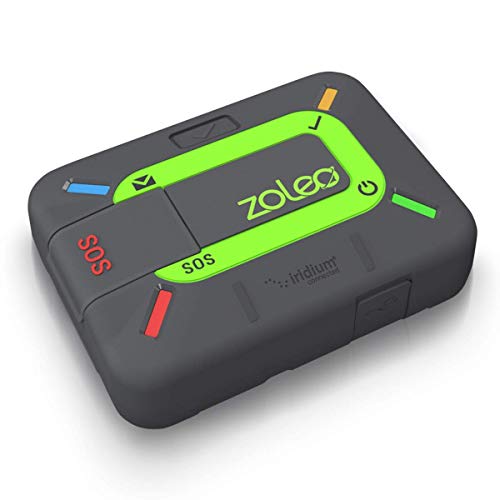
For hunters venturing into remote areas where cellular service is spotty or nonexistent, the ZOLEO Satellite Communicator stands out as an essential tool. This compact device lets you send and receive SMS messages and emails via the Iridium satellite network, ensuring you stay connected no matter where you are. With an emergency SOS feature that alerts a 24/7 monitoring center, you can have peace of mind in the wild. Plus, its rugged design and impressive battery life of over 200 hours make it reliable. Starting at just $20 a month, ZOLEO offers an affordable way to enhance your outdoor safety.
Best For: Outdoor enthusiasts, such as hunters and hikers, who require reliable communication in remote areas without cellular service.
Pros:
- Global connectivity: Send and receive messages via satellite, cellular, or Wi-Fi, ensuring you stay connected in any environment.
- Emergency SOS feature: Provides peace of mind with the ability to alert a 24/7 monitoring center in case of emergencies.
- Durable design and long battery life: Rugged IP68-rated construction and over 200 hours of battery life make it suitable for extended outdoor adventures.
Cons:
- Monthly service fee: Requires a subscription starting at $20/month, which may add to overall costs for users.
- Limited message length: Text messages can only be up to 900 characters, which may restrict communication for lengthy updates.
- Optional add-ons: Features like location sharing come at an additional cost, which may not be ideal for all users.
Garmin inReach Mini 2 Satellite Communicator

Hunters seeking a reliable way to stay connected while exploring remote areas will find the Garmin inReach Mini 2 Satellite Communicator to be an indispensable tool. Weighing just 3.49 ounces and measuring 2.04 x 3.9 x 1.03 inches, it’s compact enough to fit in your pocket. With two-way messaging and interactive SOS capabilities, you can communicate globally with an active satellite subscription. The device’s TracBack routing and digital compass help you navigate back safely. Plus, its battery lasts up to 14 days, ensuring you stay powered during extended adventures. Trust Garmin to keep you safe in the wild!
Best For: Hunters and outdoor enthusiasts seeking a compact and reliable satellite communicator for remote areas.
Pros:
- Lightweight and portable design, making it easy to carry on adventures.
- Two-way messaging and SOS capabilities provide peace of mind while exploring.
- Long battery life of up to 14 days ensures communication during extended trips.
Cons:
- Requires an active satellite subscription for full functionality.
- Limited to satellite communication, which may not be ideal for all users.
- May not have the extensive mapping features of larger GPS devices.
ACR Bivy Stick Satellite Communicator for iOS/Android

Designed for adventurous souls who crave remote exploration, the ACR Bivy Stick Satellite Communicator offers 100% global connectivity, ensuring you stay connected even in the most isolated locations. With two-way SMS, email, and SOS features, you can easily reach emergency services while sharing your GPS location. Compatible with both iOS and Android, it lets you download offline maps and explore over 50,000 curated adventures. Enjoy flexible monthly or annual plans, plus group messaging for up to 12 people. Whether you’re hiking solo or with family, the Bivy Stick keeps you safe and informed in the wilderness.
Best For: Adventurers and outdoor enthusiasts seeking reliable communication and navigation tools in remote areas.
Pros:
- 100% global satellite coverage for reliable communication and emergency services.
- Flexible monthly and annual subscription plans to suit various needs.
- Group messaging feature for easy coordination among up to 12 people.
Cons:
- Requires a commitment for the first three months before switching to a month-to-month plan.
- May have limited functionality in extremely remote locations where satellites are obstructed.
- Initial setup and activation may require a learning curve for new users.
Garmin inReach Messenger Handheld Satellite Communicator

When you’re deep in the wilderness, the Garmin inReach Messenger stands out as the ideal choice for outdoor enthusiasts seeking reliable communication. This rugged, lightweight device enables global two-way text messaging, even without cellular coverage. You can share your location and trigger an SOS to Garmin’s 24/7 monitoring center for emergency assistance. The messaging features include group chats and pre-set messages for easy check-ins. Plus, it pairs with other smart devices for enhanced connectivity. With a rechargeable battery lasting up to 28 days in tracking mode, you can rest assured knowing you’ll stay connected during your adventures.
Best For: Outdoor enthusiasts and adventurers who need reliable communication in remote areas without cellular coverage.
Pros:
- Global two-way text messaging allows communication regardless of cellular availability.
- Emergency SOS feature provides peace of mind with 24/7 access to assistance.
- Long battery life of up to 28 days in tracking mode ensures connectivity during extended trips.
Cons:
- Requires an active satellite subscription for functionality, which can add ongoing costs.
- Some jurisdictions may regulate or prohibit the use of satellite communication devices.
- The need to pair with select smart devices may limit compatibility for some users.
Motorola Defy Satellite Link – Rugged Handheld GPS Communicator

For outdoor enthusiasts seeking reliable communication in remote areas, the Motorola Defy Satellite Link stands out as a rugged handheld GPS communicator. Weighing just 2.5 ounces and measuring 3.4 x 2.5 x 0.5 inches, it’s compact and durable. This device upgrades your smartphone into a satellite-enabled messenger via Bluetooth, ensuring you stay connected even without cellular signal. With two-way global SMS text messaging and emergency SOS alerting, it’s perfect for off-grid adventures. Service plans start at $19.99 per month for SOS assistance, making it a practical choice for safety. The Defy keeps you linked, no matter where your journey takes you.
Best For: Outdoor enthusiasts and adventurers seeking reliable communication in remote areas without cellular coverage.
Pros:
- Compact and lightweight design makes it easy to carry on outdoor adventures.
- Provides two-way global SMS messaging and emergency SOS alerting for enhanced safety.
- Upgrades smartphones into satellite-enabled messengers, ensuring connectivity in off-grid locations.
Cons:
- Requires a monthly service plan starting at $19.99 for operation, which may add to overall costs.
- Customer ratings average only 3.5 out of 5 stars, indicating mixed feedback on performance.
- Limited functionality compared to fully standalone satellite phones.
ZOLEO Satellite Communicator – Two-Way Global SMS Text Messenger & Email

The ZOLEO Satellite Communicator stands out as the ideal choice for adventurous hunters seeking reliable communication in remote locations. With global satellite messaging via the Iridium network, you can send unlimited check-ins and messages, including emails up to 900 characters. Its rugged, IP68-rated design guarantees durability, while the over 200 hours of battery life keeps you connected. For emergencies, you can activate SOS alerts with GPS location sent to a 24/7 monitoring center. Plus, with monthly service plans starting at $20, you get peace of mind without breaking the bank. Stay safe and informed on your hunting trips with ZOLEO.
Best For: Adventurous hunters and outdoor enthusiasts who need reliable communication in remote locations.
Pros:
- Global satellite messaging via the Iridium network ensures connectivity even in isolated areas.
- IP68-rated durability provides protection against dust and water, making it ideal for rugged environments.
- Long battery life of over 200 hours allows for extended use without frequent recharging.
Cons:
- Monthly service plans starting at $20 may add to overall costs for users.
- Limited character count (900 characters for emails) may restrict detailed communication.
- Requires a clear view of the sky for optimal satellite connectivity, which may not always be possible in dense forests or mountainous areas.
Garmin GPSMAP 66i Handheld GPS and Satellite Communicator

Hunters seeking a reliable safety net in remote areas will find the Garmin GPSMAP 66i Handheld GPS and Satellite Communicator an essential companion. This device combines GPS navigation with inReach satellite technology, allowing you to send two-way messages and trigger SOS alerts. Its 3-inch sunlight-readable display and preloaded TOPO maps guarantee you won’t lose your way. With 100% global coverage via the Iridium satellite network, you can stay connected anywhere. Plus, the rechargeable battery lasts up to 200 hours in Expedition mode. Weighing just 1.28 ounces, it’s easy to carry and perfect for any adventure in the wild.
Best For: Outdoor enthusiasts and hunters seeking reliable navigation and communication in remote areas.
Pros:
- Advanced safety features including two-way messaging and interactive SOS alerts through the Iridium satellite network.
- Long battery life with up to 200 hours in Expedition mode, ensuring reliability during extended trips.
- Lightweight and portable design at just 1.28 ounces, making it easy to carry on any adventure.
Cons:
- Subscription required for satellite messaging and SOS alerts, which may add to overall costs.
- May require learning curve for users unfamiliar with GPS devices and satellite communication technology.
- Limited cellular connectivity may affect functionality in areas without cellular service.
ACR Bivy Stick MESH Satellite Communicator

Equipped with dual-mode communication, the ACR Bivy Stick MESH Satellite Communicator is perfect for outdoor enthusiasts seeking reliable connectivity in remote areas. It combines LoRa-enabled mesh networking with global satellite communication, ensuring you stay connected even in isolation. You can share real-time locations and create group chats, enhancing safety and coordination. In emergencies, the dedicated SOS battery provides 24 hours of backup power, while global rescue services monitor alerts. Its rugged, waterproof design stands up to harsh conditions. With its intelligent message relay, you’ll maintain communication continuity, making the ACR Bivy Stick an essential tool for your outdoor adventures.
Best For: Outdoor enthusiasts and adventurers who require reliable communication in remote and isolated areas.
Pros:
- Dual-Mode Communication: Combines LoRa mesh networking and global satellite connectivity for versatile use.
- Emergency Features: Equipped with a dedicated SOS battery and 24/7 monitoring for enhanced safety during emergencies.
- Rugged Design: Waterproof and durable, suitable for extreme conditions and various terrains.
Cons:
- Cost: May be pricier compared to standard communication devices.
- Limited Range for LoRa: Mesh networking only supports device connections up to a mile apart.
- Dependency on Satellite Service: Relies on the Iridium network, which could face outages in very remote areas.
ACR Bivy Stick 2-Way Satellite Messenger Survival Kit
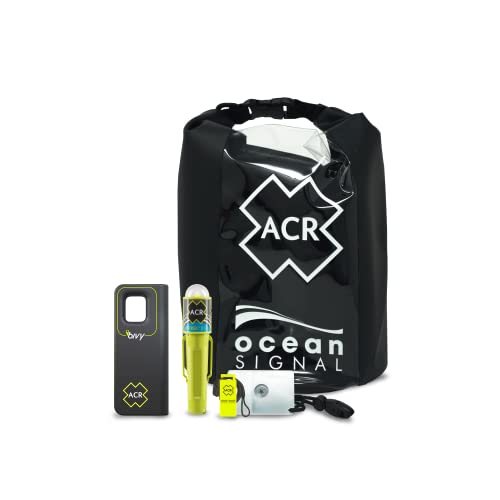
For outdoor enthusiasts seeking reliable communication in remote areas, the ACR Bivy Stick 2-Way Satellite Messenger Survival Kit stands out as an indispensable tool. This kit offers global messaging and 24/7 SOS support through Global Rescue, ensuring you’re never alone. The C-Strobe H2O Rescue Light and signal mirror enhance your visibility in emergencies, while the Res-Q Whistle cuts through noise to alert rescuers. Plus, the RapidDitch Dry Bag keeps your gear dry and accessible. Whether you’re hiking or boating, this all-encompassing survival kit equips you with crucial communication and signaling devices, making it a must-have for any adventure.
Best For: Outdoor enthusiasts and adventurers who require reliable communication and emergency signaling in remote areas.
Pros:
- Provides global messaging and 24/7 SOS support for enhanced safety.
- Includes multiple emergency signaling devices, ensuring high visibility in crisis situations.
- Waterproof gear protection keeps essential equipment safe in extreme conditions.
Cons:
- Subscription required for full functionality of SOS support services.
- May be considered bulky for minimalist backpackers.
- Requires charging and maintenance to ensure reliability during outdoor activities.
Factors to Consider When Choosing an Emergency Satellite Communicator for Hunters
When choosing an emergency satellite communicator, consider several key factors to guarantee your safety in the wild. You’ll want to look at battery life, messaging capabilities, and SOS functionality, as these can make a big difference in an emergency. Additionally, don’t forget to assess durability, weather resistance, and global coverage to stay connected no matter where you are.
Battery Life Considerations
Battery life plays an essential role in your choice of an emergency satellite communicator, especially if you plan to venture into remote hunting areas. Look for devices that offer a battery life of at least 14 days in tracking mode, with some lasting over 200 hours. This is vital for extended trips where charging opportunities are scarce. Consider devices with different tracking modes, allowing you to adjust location update frequency to conserve battery. The type of battery—like lithium-ion or standard C batteries—can greatly influence longevity and reliability. Finally, regularly check and maintain your battery health, as older batteries may fail to hold a charge, jeopardizing your safety during emergencies when you need it most.
Messaging Capabilities
Choosing the right emergency satellite communicator hinges on its messaging capabilities, as effective communication can be a lifesaver in remote hunting areas. Look for devices that offer two-way messaging, enabling you to send and receive messages even without cellular coverage. Confirm the communicator utilizes global networks like Iridium for reliable connectivity across vast distances. Features like unlimited check-ins are invaluable, allowing you to send pre-set messages confirming your safety without exhausting your message limits. Compatibility with mobile apps can enhance your messaging experience, letting you send longer messages or access group messaging features. While evaluating options, remember that supporting emergency SOS alerts with GPS location sharing is vital for essential safety communication.
SOS Functionality
In emergencies, having a reliable SOS functionality in your satellite communicator can make all the difference. This feature allows you to send alerts with your GPS location to a 24/7 monitoring center, ensuring immediate assistance in life-threatening situations. Many devices require an active subscription to access these SOS features, so be sure to check the terms before purchasing. The alerting process is typically a simple button press, enabling quick activation without complex navigation. Devices with SOS capabilities often offer additional features like real-time location sharing, enhancing coordination during rescue operations. Ultimately, the reliability of SOS functionality is essential for your safety in remote or challenging environments, potentially being the difference between life and death.
Durability and Weather Resistance
When you’re out in the wilderness hunting, the last thing you want is a fragile communicator that can’t handle the elements. Look for an emergency satellite communicator with a high IP rating, like IP68, which means it’s dust-tight and can survive being submerged in water. Rugged construction is essential; you need a device that can endure drops and harsh conditions. Weather resistance is equally important; it should function reliably in extreme temperatures, rain, snow, and humidity. Battery life matters too—opt for a communicator that lasts several days on a single charge. Finally, choose a lightweight and compact design to guarantee it fits easily into your gear without adding unnecessary bulk. Stay safe and connected in the wild!
Global Coverage and Connectivity
While durability and weather resistance are essential for an emergency satellite communicator, global coverage and connectivity are just as important for hunters venturing into remote areas. Look for devices that utilize reliable global networks, like the Iridium satellite system, offering 100% coverage. This guarantees you can send two-way messages and SOS alerts, communicating your exact location to emergency services when needed. Many communicators also feature GPS tracking and location sharing, keeping your friends and family informed of your whereabouts. Choose a device that supports multiple communication methods—SMS, email, and app-based messaging—to maximize your connectivity options. Finally, consider battery life; a device with extended performance guarantees you stay reachable during long trips, reducing emergency risks.
Navigation Features
Choosing the right emergency satellite communicator involves more than just durability and connectivity; navigation features play an essential role, especially for hunters exploring remote terrains. Look for devices that offer TracBack routing, which helps you navigate back to your starting point—crucial in the wild. A digital compass is another valuable feature, providing accurate heading information to keep you oriented. Opt for communicators that sync with mapping applications for trip planning, waypoints, and topographical mapping, enhancing your navigation experience. Additionally, consider options supporting offline maps to guarantee you stay on track even without cellular service. Finally, the ability to share GPS coordinates with others can greatly boost group safety and coordination during your hunting adventures.
Subscription Costs
Considering subscription costs is essential for hunters looking to invest in an emergency satellite communicator. Monthly plans typically start around $19.99, but prices can vary based on features like unlimited SOS alerts and check-ins. You’ll find tiered pricing, with basic plans at $19.99, mid-range options around $34.99, and unlimited messaging plans reaching up to $59.99 per month. Opting for an annual plan can save you money, often reducing the basic coverage cost to about $14.99 monthly. Keep in mind that additional features, such as travel risk management or enhanced weather services, may come with extra fees. Always review what each plan includes, as some may limit messages, sharing intervals, or connected devices.