When you’re gearing up for backcountry adventures, choosing the right hunting boots is vital. You need something that combines comfort, durability, and protection against harsh elements. Two standout options are the TIDEWE Insulated Waterproof Hunting Boot and Danner Men’s Hunting Boots. Each offers unique features that can make or break your experience in the wild. Let’s explore what makes these boots exceptional and what you should consider before making your choice.
TIDEWE Insulated Waterproof Hunting Boot for Men
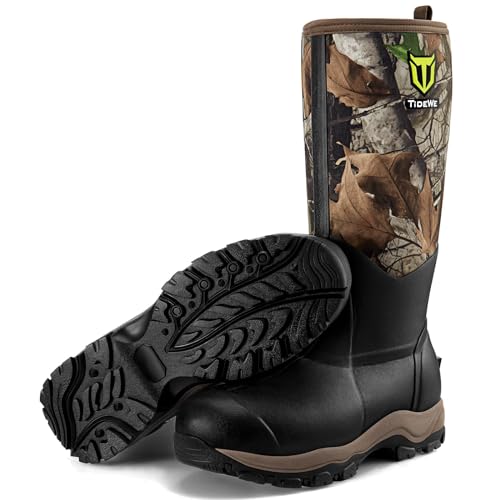
If you’re a dedicated outdoorsman seeking reliable footwear for harsh conditions, the TIDEWE Insulated Waterproof Hunting Boot for Men is your ideal choice. This 16-inch boot features 100% waterproof CR Flex-Foam that absorbs impacts while keeping your feet warm. With 400g insulation, it’s comfort-rated for temperatures as low as -22°F, ensuring you stay cozy on those frigid days. The lightweight rubber neoprene and 4-way stretch nylon offer flexibility and comfort, making long treks easier. Before purchasing, check the size chart for the perfect fit. Rated 4.7 stars by over 1,600 reviewers, it’s a top contender for your backcountry adventures.
Best For: Outdoor enthusiasts and hunters seeking durable, insulated, and waterproof footwear for extreme weather conditions.
Pros:
- 100% waterproof CR Flex-Foam construction keeps feet dry in wet environments.
- 400g insulation ensures warmth in temperatures as low as -22°F, ideal for cold weather activities.
- Lightweight and flexible design with rubber neoprene and 4-way stretch nylon enhances comfort during long treks.
Cons:
- Sizing may vary, requiring buyers to consult the size chart carefully for the best fit.
- Some users may find the boots slightly heavy for extended periods of wear.
- Limited color options available, which may not appeal to all style preferences.
Danner Men’s

Danner Men’s hunting boots are designed for serious backcountry adventurers who demand performance and comfort during long treks. Made with 100% leather and durable 900 Denier polyester, these boots withstand tough conditions. Their 400g Thinsulate Ultra insulation keeps you warm while the breathable Danner Dry barrier guarantees moisture escapes without letting water in. The LOCK & LOAD LACING system provides a secure fit, allowing for quiet movements essential for hunting. With a cushioned footbed and lightweight design, you’ll enjoy all-day comfort. Plus, the traction outsole grips slippery surfaces, giving you the confidence to tackle any terrain.
Best For: Serious backcountry adventurers seeking durable, insulated, and comfortable hunting boots for long treks.
Pros:
- Excellent insulation and waterproofing, keeping feet warm and dry in harsh conditions.
- Lightweight design combined with cushioned shock absorption for all-day comfort.
- Secure and quiet lacing system enhances fit and stealth during hunting activities.
Cons:
- Higher price point compared to standard boots may not suit all budgets.
- Insulation may be too warm for use in milder weather conditions.
- The fit may be narrow for those with wider feet, requiring careful sizing.
Factors to Consider When Choosing Hunting Boots for Backcountry
When choosing hunting boots for backcountry adventures, you need to take into account several key factors. Insulation, waterproofing, weight, traction, and comfort all play essential roles in your overall experience. Making the right choices in these areas can greatly enhance your time in the wild.
Insulation for Cold Weather
Choosing the right insulation for your hunting boots is essential, especially if you plan to tackle backcountry adventures in frigid temperatures. Look for boots with at least 400g insulation, which can keep your feet warm in conditions as low as -22°F/-30°C. Effective materials like Thinsulate Ultra or CR Flex-Foam not only retain heat but also allow moisture to escape, keeping you comfortable during long hikes. It’s important to find a boot with a temperature comfort range that suits varying weather, ideally rated for warmer conditions up to 41°F/5°C. Additionally, consider the construction materials—neoprene, nylon, and rubber offer flexibility and warmth, ensuring your boots perform well in cold weather without sacrificing comfort.
Waterproofing Capabilities
Cold weather insulation is only part of the equation for effective backcountry hunting boots; waterproofing capabilities are equally important. To keep your feet dry and comfortable in wet conditions, look for boots made with 100% waterproof CR Flex-Foam and breathable barriers. Effective insulation should also have moisture-wicking properties to combat dampness from sweat. A robust waterproofing system features sealed seams and durable materials that withstand heavy rain and prolonged exposure to water. Consider boots with mesh-lined tongues or breathable waterproof membranes that allow moisture to escape while keeping water out. Regular maintenance and treatment of the waterproofing layer can greatly extend your boots’ life, ensuring they perform well in challenging backcountry conditions.
Weight and Flexibility
While the right insulation and waterproofing are essential for backcountry hunting boots, you can’t overlook the importance of weight and flexibility. Lighter boots enhance your mobility and endurance, making it easier to cover long distances. Flexibility is key for maintaining natural foot movement, which boosts comfort and reduces fatigue during those long treks. Look for boots made from materials like neoprene and lightweight rubber, as they provide both flexibility and reduced weight. Proper cushioning and shock absorption features are important in these lightweight designs, ensuring comfort without sacrificing support. However, striking a balance between weight and durability is critical; overly lightweight options may compromise protection, while heavier boots can lead to quicker fatigue. Choose wisely to maximize your backcountry experience.
Traction and Grip
When you’re traversing the unpredictable terrains of the backcountry, traction becomes an essential factor in your hunting boot selection. Good traction helps prevent slips and falls on uneven or slippery surfaces. Look for boots featuring multidirectional lugs on the outsole; these provide superior grip and stability on moss, rocks, and slick areas. The material of the outsole matters too—rubber compounds are preferred for their excellent grip over harder materials. A lightweight design can enhance your agility, allowing you to navigate challenging terrains without wearing yourself out. Finally, make sure the traction features operate quietly to maintain your stealth while hunting, minimizing noise as you move through the woods. Your safety and success depend on it!
Comfort and Fit
Comfort is paramount in ensuring an enjoyable and successful backcountry hunting experience. First, make sure you get the right fit; improper sizing can lead to discomfort and blisters on long hunts, so always check the manufacturer’s size chart before buying. Look for cushioned footbeds and shock-absorbing features to enhance comfort, especially during those long hours on uneven terrain. A lightweight design is key to reducing fatigue, allowing you to move easily without feeling weighed down. Breathable materials are essential for regulating temperature and moisture, keeping your feet dry and comfortable. Finally, consider insulation ratings; boots with adequate insulation will keep your feet warm in extreme conditions while still providing the mobility you need.
Material Durability
Choosing the right materials for your hunting boots is vital for durability and performance in the backcountry. Look for boots with a combination of leather, textile, and high-denier polyester to resist abrasion and withstand tough conditions. Waterproof materials like CR Flex-Foam or breathable barriers keep your feet dry, allowing moisture to escape for added comfort. Don’t overlook insulation, such as 400g Thinsulate, which retains warmth while keeping the boot lightweight and flexible. Additionally, traction features with multidirectional lugs are essential for grip on varying terrains, helping you avoid slips. By prioritizing these material factors, you’ll guarantee your boots can handle whatever challenges the backcountry throws your way.
Lacing Systems
The right lacing system in your hunting boots can greatly enhance your backcountry experience. A reliable lacing mechanism guarantees a secure fit, helping to prevent discomfort and blisters during those long hours out in the wild. Systems like the LOCK & LOAD design allow for quick adjustments, letting you tighten or loosen your boots easily while on the move. This not only boosts comfort but also enhances ankle support and stability on uneven terrain. Additionally, a quiet lacing system minimizes noise, keeping you stealthy and less likely to alert wildlife. Finally, consider how different lacing systems affect the convenience of putting on and taking off your boots, as efficiency can make all the difference during your hunting trips.
Height and Coverage
When you’re venturing into the backcountry, the height and coverage of your hunting boots play an essential role in your overall experience. Typically, boots range from ankle to knee height. Taller options, especially those 16 inches or more, offer enhanced insulation and waterproofing, ideal for extreme weather and deep snow. They can prevent moisture from entering in wet or marshy terrains, keeping your feet dry during long hunts. However, remember that higher boots may be heavier and less flexible, so find a balance between coverage and mobility. Consider your hunting environment; lower boots might work in dry areas, while taller ones are preferable for wet or rugged terrains. Choose wisely to optimize your backcountry adventures.