When it comes to selecting the ultimate hunting layering system for 2025, you need to evaluate various factors that can affect your experience in the field. From weather conditions to material breathability, each element plays a critical role in your comfort and performance. You’ll also want to think about insulation levels and camo patterns. What makes our top pick stand out? Let’s explore the key features that set it apart.
Guide Gear Elevated Deer Hunting Blind for 2 Persons
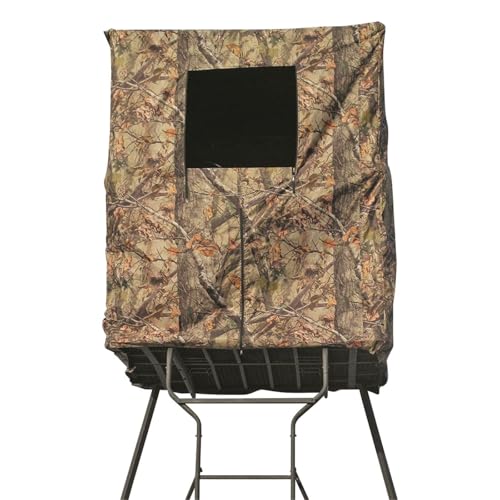
If you’re looking for a reliable way to elevate your deer hunting experience, the Guide Gear Elevated Deer Hunting Blind for 2 Persons is an excellent choice for you and a hunting partner. This camo tent attaches seamlessly to a tower stand, giving you both the height and concealment you need. Its weather-resistant fabric keeps you dry, while four zippered windows and a front opening guarantee easy access. With a heavy-duty steel frame, it withstands harsh weather, and the DZX camo pattern provides effective concealment. Enjoy stealthy hunting, allowing for those critical shots without alerting your game.
Best For: Hunters looking for a reliable and elevated blind that provides concealment and comfort for two persons.
Pros:
- Weather-resistant fabric ensures hunters stay dry and protected from the elements.
- Heavy-duty steel frame offers durability and stability in various weather conditions.
- DZX camo pattern effectively conceals users, enhancing stealth during hunting.
Cons:
- Requires a compatible tower stand for setup, which is sold separately.
- Limited to two persons, which may not accommodate larger hunting parties.
- Assembly may take time and effort, depending on the user’s experience with similar products.
Factors to Consider When Choosing a Hunting Layering System
When choosing a hunting layering system, you need to evaluate several key factors. Weather conditions will impact your choices, as will the breathability and insulation levels of the materials. Additionally, think about how versatile your layers are and how much movement and flexibility you’ll need while hunting.
Weather Conditions Impact
Understanding how weather conditions impact your hunting experience is essential for selecting the right layering system. Temperature fluctuations can dramatically affect your choice of base, insulation, and outer layers. Your layering system should adapt to various weather scenarios, like rain or extreme cold, to keep you comfortable and focused. In warmer climates, moisture-wicking fabrics are critical to prevent sweat accumulation, which can chill you when temperatures drop. Furthermore, windproof and waterproof outer layers are essential in windy or wet conditions to shield you from the elements and retain body heat. Finally, the ability to easily add or remove layers helps you regulate your body temperature effectively, whether you’re active or sitting still for long periods.
Material Breathability Importance
Breathability is a game-changer in hunting layering systems, directly affecting your comfort and performance. When you’re active, moisture and sweat build-up can lead to discomfort and overheating. Fabrics with high breathability ratings and moisture-wicking properties help regulate your body temperature, keeping you comfortable in varying weather conditions. A breathable system not only enhances your comfort but also minimizes scent, as reduced moisture prevents attracting game. Choosing the right breathable material allows for better mobility, which is essential during long hours in the field. Ultimately, prioritizing breathability in your hunting layering system can greatly improve your overall performance, ensuring that you stay focused on the hunt rather than on discomfort.
Insulation Levels Needed
Selecting the right insulation levels for your hunting layering system is crucial for staying warm and comfortable in varying temperatures. Consider the expected weather; colder conditions demand higher insulation to effectively retain body heat. When choosing materials, down provides an excellent warmth-to-weight ratio, while synthetic fibers excel in wet environments. Your activity level during the hunt also influences insulation choice; more vigorous pursuits may require less insulation to avoid overheating. A well-rounded layering system should comprise base layers for moisture management, mid-layers for thermal retention, and outer layers for wind and moisture protection. Don’t forget to assess breathability—materials that wick moisture away help maintain comfort during extended outdoor activities.
Layering Versatility Factors
When you’re out in the field, having a versatile layering system can make all the difference in your comfort and effectiveness as a hunter. A good system lets you quickly adjust to changing weather, keeping you comfortable no matter what. Start with a moisture-wicking base layer to manage sweat, followed by an insulating mid-layer that adds warmth without bulk. Your outer layer should be weather-resistant, offering protection against wind and rain. Mixing and matching layers gives you the flexibility to adapt to varying temperatures and activity levels during your hunting trips. Don’t forget to take into account camouflage patterns for each layer to enhance your stealth and improve your chances of a successful hunt.
Movement and Flexibility
While comfort is essential, movement and flexibility are equally important in a hunting layering system. You’ll want to choose materials that allow for a full range of motion, so you can easily draw your bow or handle your firearm without any restrictions. Fabrics with stretch properties, like spandex blends, enhance your mobility while keeping you comfortable during long hunts. Pay attention to the design—articulation in areas like the elbows and knees is key for natural movement. Lightweight and breathable layers reduce bulk, helping you maneuver quietly and efficiently. Finally, look for adjustable features, such as cuffs and waistbands, that let you adapt your clothing for varying activities and weather conditions, ensuring you’re always ready for action.
Noise Reduction Methods
To effectively blend into your surroundings, it’s essential to contemplate noise reduction methods in your hunting layering system. Choose materials like brushed fleece or soft-shell fabrics that minimize noise during movement. Start with a quiet base layer that absorbs sound and reduces rustling as you move. Opt for silent closures, such as magnetic or Velcro fasteners, to eliminate the clatter of zippers and buttons. When it comes to footwear, select options with rubber soles to decrease footfall noise as you navigate through terrain. Finally, practice slow, deliberate movements in the field; quick motions can create unnecessary sounds that may alert wildlife. By focusing on these aspects, you’ll enhance your stealth and improve your chances of a successful hunt.
Camo Pattern Selection
Selecting the right camo pattern is essential for maximizing your effectiveness in the field, as it directly impacts your ability to blend into the environment. When choosing a pattern, think about where you’ll be hunting. Different terrains require specific designs; for instance, forest patterns work better in wooded areas, while wetlands need something different. Consider the season, too—lighter colors suit spring and summer, while darker tones are ideal for fall and winter. Multi-environment patterns offer versatility across various locations. Additionally, patterns featuring natural foliage can break up your silhouette more effectively. Finally, remember the game you’re hunting; some animals are sensitive to specific colors, and choosing the right camo can increase your chances of success.
Weight and Packability
Choosing the right weight and packability for your hunting layering system is crucial for a successful outing. Lighter materials enhance your mobility and help reduce fatigue during long hunts. You’ll want layers that compress easily and can be stowed without taking up too much space in your backpack. Look for a balance between insulation and weight to keep warm without adding bulk. Also, evaluate how well each layer retains its shape after multiple packings, ensuring they’re durable for future trips. Finally, consider the overall weight of your complete system; a lighter layering setup boosts your endurance and agility in the field, making it easier to focus on the hunt rather than your gear.