The right adapter can give a mirrorless camera access to an existing collection of DSLR, rangefinder, or vintage lenses without requiring an entirely new lens lineup. However, compatibility, electronic communication, autofocus support, and image-circle coverage vary significantly between mounts.
This roundup compares 10 camera lens adapters for mirrorless cameras across popular Sony, Canon, Nikon, Fujifilm, and Micro Four Thirds systems. Use the buying guide below to match the adapter type to your lenses, camera body, and shooting style.
Best 10 Camera Lens Adapters for Mirrorless Cameras Picks for 2026
Best Manual Nikon-to-Sony Adapter

- Adapts Nikon F G-Type lenses to Sony E bodies
- Mechanical aperture control
- Manual focus and exposure operation
Best For: Sony E-mount users with Nikon F G-Type lenses
Best Canon-Branded EF-to-RF Adapter

- Uses EF and EF-S lenses on EOS R cameras
- Canon-manufactured mount adapter
- Lightweight design with caps and soft case
Best For: EOS R owners retaining Canon EF or EF-S lenses
Best Budget Manual Nikon-to-Z Adapter

- Adapts Nikon F, non-AI, AI, and AIS lenses
- Guaranteed infinity focus
- No electronic contacts or autofocus
Best For: Nikon Z users shooting classic Nikkor lenses manually
Best Feature-Rich EF-to-RF Adapter

- Supports autofocus and aperture control
- Transmits shutter, aperture, and ISO data
- Weather-resistant metal-mount construction
Best For: EOS R-series users adapting EF or EF-S lenses with electronic control
Best Native-System Upgrade

- Adapts Nikon F-mount lenses to Nikon Z cameras.
- Supports AF/AE with many compatible Nikon lenses.
- Retains weather sealing and comfortable handling.
Best For: Nikon Z owners with compatible F-mount lenses
Best Manual MFT Value
K&F Concept Canon EF to Micro Four Thirds Adapter
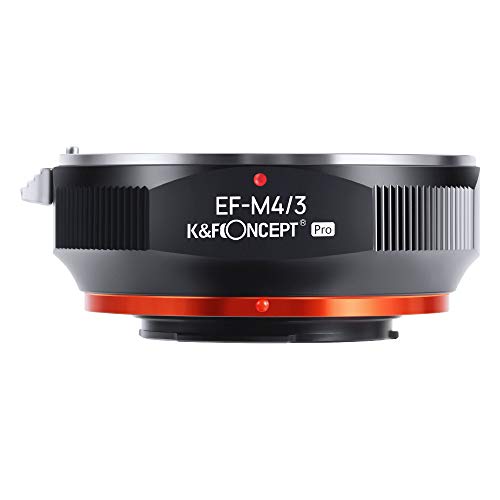
- Fits Canon EF/EF-S lenses to MFT bodies.
- Uses durable all-metal construction.
- Supports manual focus, exposure, and infinity focus.
Best For: MFT photographers using Canon lenses manually
Best Simple Sony E-Mount Option
Fotasy Canon EF to E Mount Adapter

- Adapts Canon EF/EF-S lenses to Sony E bodies.
- Guarantees infinity focus with a copper mount.
- Requires manual focus and exposure control.
Best For: Sony users seeking a basic mechanical EF adapter
Best FD-to-Fuji X Value
Canon FD to Fujifilm FX Adapter

- Brass and aluminum construction
- Supports infinity focus
- Manual diaphragm control
Best For: Fujifilm X users adapting Canon FD lenses
Best EF-to-Sony Manual Option

- Aluminum-alloy construction
- Infinity-focus support
- Works with AV and M modes
Best For: Sony E-mount users adapting EF or EF-S lenses
Best Light-Controlled FD Adapter

- All-metal anodized aluminum design
- Matting varnish reduces internal reflections
- Manual controls with infinity focus
Best For: Fujifilm X users adapting Canon FD or FL lenses
Best Manual Nikon-to-Sony Adapter – Fotodiox NikG-SnyE
For photographers comparing camera lens adapters for mirrorless cameras, the Fotodiox NikG-SnyE is a straightforward option for using Nikon F-mount G-Type lenses on Sony E-mount bodies. Its mechanical aperture control and manual-focus design suit users comfortable operating older or fully manual lenses.
Best For: Sony E-mount users adapting Nikon F G-Type lenses for manual photography.
Pros:
- Supports Nikon F-mount G-Type lenses on Sony E-mount mirrorless cameras.
- Provides mechanical aperture control.
- Anodized aluminum construction and a limited two-year manufacturer warranty.
Cons:
- Manual focus and manual exposure control are required.
- No image stabilization or electronic lens communication is listed.
- Not water resistant.
This adapter makes sense when compatibility with Nikon G-Type glass matters more than autofocus or camera-controlled lens functions. Confirm your lens and Sony body mounts before buying.
Best Canon-Branded EF-to-RF Adapter – Canon EF-EOS R
Canon Mount Adapter EF-EOS R | Allows EF/EF-S Lens Compatibility with EOS R Cameras
Check Price On AmazonThe Canon Mount Adapter EF-EOS R is a practical choice among camera lens adapters for mirrorless cameras when you want to use Canon EF or EF-S lenses on an EOS R camera. It is the manufacturer-branded option in this group and comes with a lightweight design and one-year limited warranty.
Best For: Canon EOS R users who want to continue using compatible EF or EF-S lenses.
Pros:
- Supports Canon EF and EF-S lenses on EOS R cameras.
- Canon-branded adapter designed for the EOS R system.
- Lightweight at approximately 3.84 ounces and supplied with caps and a soft case.
Cons:
- The supplied information does not specify weather sealing.
- It is intended for Canon RF-mount cameras rather than other mirrorless systems.
- Warranty coverage is limited to one year.
Choose this adapter if you value a Canon-made solution for adapting existing EF or EF-S lenses to an EOS R body. Check the specific EOS R camera and lens pairing before purchase.
Best Budget Manual Nikon-to-Z Adapter – Fotasy F-to-Z
The Fotasy F-to-Z is a simple choice for shoppers seeking camera lens adapters for mirrorless cameras that connect Nikon F-mount lenses to Nikon Z bodies. It supports non-AI, AI, and AIS lenses, but its lack of electrical contacts means operation is entirely manual.
Best For: Nikon Z photographers using classic Nikkor F lenses who do not need autofocus or automatic aperture functions.
Pros:
- Compatible with a broad range of Nikon F-mount non-AI, AI, and AIS lenses.
- Fits numerous Nikon Z cameras, including the Z 30, Z 50, Z 5, Z 6, Z 7, Z fc, and Z 9.
- Infinity focus is guaranteed, with a solid copper lens mount.
Cons:
- No electrical contacts for autofocus, automatic diaphragm, or other electronic functions.
- Focus and exposure must be adjusted manually.
- No electronic lens data transmission is provided.
This adapter is best viewed as a mechanical bridge for vintage Nikon glass rather than a modern feature-preserving mount. It is a good fit for deliberate manual shooting on Nikon Z cameras.
Best Feature-Rich EF-to-RF Adapter – YELLBIN EF-EOS R
Lens Mount Adapter EF-EOS R for Canon EF/EF-S Lens to Canon EOS R RP R5 R6 R7 R10 Cameras
Check Price On AmazonThe YELLBIN EF-EOS R stands out among camera lens adapters for mirrorless cameras by retaining electronic features when using Canon EF or EF-S lenses on selected EOS R bodies. Its listed functions include autofocus, aperture control, image stabilization, and transmission of shutter, aperture, and ISO data.
Best For: Canon EOS R-series users seeking electronic control with adapted EF or EF-S lenses.
Pros:
- Compatible with Canon EOS R, RP, R5, R6, R7, and R10 cameras.
- Supports autofocus, camera-side aperture control, and lens data transmission.
- Features image stabilization, weather resistance, and metal mounts on both sides.
Cons:
- Compatibility is listed for specific Canon EOS R-series bodies and should be verified before purchase.
- It is a third-party adapter rather than a Canon-branded model.
- The supplied notes do not identify compatibility with lenses outside the EF/EF-S mount family.
If maintaining electronic shooting functions is a priority, this adapter offers a more capable alternative to fully manual rings. Verify your camera body, lens, and desired stabilization behavior before ordering.
Best Native-System Upgrade – Nikon FTZ II Mount Adapter
The Nikon FTZ II is a strong choice among camera lens adapters for mirrorless cameras when you want to use Nikon F-mount lenses on a Nikon Z-mount body. It is designed to preserve image quality, autofocus performance, weather sealing, and comfortable handling with supported lenses.
Best For: Nikon Z-mount owners adapting compatible FX or DX F-mount lenses.
Pros:
- Connects Nikon F-mount lenses to Nikon Z-mount cameras.
- Supports full autofocus and autoexposure with several AF-S, AF-P, AF-I, and compatible teleconverter combinations.
- Retains weather sealing and comfortable handling of mounted lenses.
- Compact 250 g design with a one-year manufacturer warranty.
Cons:
- Compatible camera bodies are limited to Nikon Z-mount cameras.
- It is a mount adapter, not a lens, so it adds no focal-length or aperture range.
- Image stabilization is not built into the adapter.
Choose the FTZ II if maintaining native-like operation with supported Nikon F lenses is more important than adapting lenses across unrelated camera systems. Verify your lens type before buying to confirm autofocus and autoexposure support.
Best Manual MFT Value – K&F Concept Canon EF to Micro Four Thirds Adapter
This K&F Concept adapter is a practical option among camera lens adapters for mirrorless cameras if you want to mount Canon EF or EF-S D/SLR lenses on a Micro Four Thirds body. Its all-metal construction and matte interior are designed for straightforward manual shooting.
Best For: Micro Four Thirds users who are comfortable setting focus and exposure manually.
Pros:
- Mounts Canon EOS EF and EF-S lenses on Micro Four Thirds cameras.
- All-metal, hardened anodized aluminum construction.
- Matte varnish inside helps reduce unwanted light reflection.
- Supports manual focus, manual exposure, and infinity focus.
Cons:
- Manual control is required; autofocus and automatic exposure are not specified.
- Compatibility depends on using the correct Canon lens and MFT camera mounts.
- It is not intended to provide electronic lens communication.
This adapter makes the most sense for photographers prioritizing lens flexibility and low-cost manual operation. Check both the lens and camera mount markings before ordering, particularly if your equipment is not listed in the supplied compatibility examples.
Best Simple Sony E-Mount Option – Fotasy Canon EF to E Mount Adapter
The Fotasy EF-to-E adapter offers a simple way to use Canon EOS EF lenses on compatible Sony E-mount mirrorless cameras. For shoppers comparing camera lens adapters for mirrorless cameras, its key appeal is guaranteed infinity focus and a durable copper lens mount, with all exposure and focus adjustments handled manually.
Best For: Sony E-mount owners who want to use Canon EF or EF-S lenses without electronic automation.
Pros:
- Adapts Canon EF and EF-S lenses to Sony E/FE-mount bodies.
- Infinity focus is guaranteed.
- Copper lens mount is described as solid and durable.
- Compatible with numerous Sony a7, a9, a6000-series, and ZV-E10 models listed by the manufacturer.
Cons:
- No electrical contacts are included.
- Autofocus, automatic diaphragm control, and other electronic functions do not operate.
- EF/EF-S lenses without a manual aperture ring remain wide open.
This is best treated as a basic mechanical adapter for manual shooting rather than a way to preserve Canon lens automation. Confirm your Sony body and lens mount, then consider whether manual aperture operation fits your workflow.
Best FD-to-Fuji X Value – Canon FD to Fujifilm FX Adapter
K&F Concept Lens Mount Adapter Canon FD Lens to Fujifilm FX Mount Mirrorless Camera Adapter
Check Price On AmazonFor photographers comparing camera lens adapters for mirrorless cameras, this K&F Concept model is a straightforward way to use Canon FD lenses on Fujifilm X-mount bodies. Its brass-and-aluminum construction, infinity focus support, and manual diaphragm control make it suited to deliberate, fully manual shooting.
Best For: Fujifilm X-series owners with Canon FD lenses who want a solid manual adapter.
Pros:
- Brass and anodized aluminum construction rather than plastic
- Supports infinity focus
- Smooth mounting surface and manual diaphragm control
- Compatible with a broad range of Fujifilm X cameras
Cons:
- Manual focus, exposure, and diaphragm operation only
- Compatible with Canon FD lenses, not Canon EF lenses
This is a practical choice for adapting vintage Canon FD glass to Fujifilm X cameras, provided you are comfortable working without electronic lens functions. Verify the lens mount before ordering.
Best EF-to-Sony Manual Option – EOS EF/EF-S to Sony E Adapter
This FocusFoto adapter is designed for using Canon EOS EF and EF-S lenses on Sony E-mount mirrorless cameras. For shoppers seeking camera lens adapters for mirrorless cameras, its aluminum-alloy construction and infinity-focus support offer a simple mechanical bridge between the two systems.
Best For: Sony E-mount and NEX owners who want to use EF or EF-S lenses with manual operation.
Pros:
- Supports Canon EOS EF and EF-S lenses on Sony E-mount bodies
- Made from anodized aluminum alloy
- Allows focus to infinity
- Supports AV and M modes
Cons:
- Autofocus does not operate
- Automatic diaphragm and other lens functions are unavailable
- Requires compatible Sony E-mount camera body
Choose this adapter when compatibility with manual shooting matters more than electronic automation. Its listed Sony compatibility includes numerous NEX, Alpha, and related E-mount models, but camera and lens mounts should still be checked before purchase.
Best Light-Controlled FD Adapter – Canon FD/FL to Fuji X Adapter
Among camera lens adapters for mirrorless cameras, this K&F Concept model focuses on a clean, all-metal design for Canon FD and FL lenses on Fujifilm X-series bodies. Its internal matting varnish is intended to reduce light reflection, while manual controls and infinity focus preserve the character of adapted vintage lenses.
Best For: Fujifilm X photographers seeking a manually operated FD/FL adapter with an anti-reflection interior.
Pros:
- All-metal hardened anodized aluminum construction
- Matting varnish inside helps avoid light reflection
- Supports manual focus, exposure, and infinity focus
- Compatible with many Fujifilm X-series bodies
Cons:
- Manual operation only
- Requires careful verification of both lens and camera mount
This adapter is a good fit for photographers who value a durable mechanical design and reduced internal reflections. It is best used with a confirmed Canon FD or FL lens and a compatible Fujifilm X body.
How We Picked These Camera Lens Adapters for Mirrorless Cameras
We selected adapters based on mount compatibility, the type of lens support they provide, compatibility with commonly used mirrorless bodies, and the practical trade-offs between electronic and manual designs. The list includes brand-name adapters such as Canon’s EF-EOS R and Nikon’s FTZ II, along with affordable manual options for adapting Canon FD, Nikon F, Canon EF, and other legacy lenses.
Because an adapter is only useful when both sides match precisely, we prioritized clear lens-to-camera mount pairings. We also considered whether an adapter is intended for full-frame or crop-sensor bodies and whether it is better suited to autofocus lenses, manual-focus lenses, or vintage glass.
Quick Comparison
| Adapter type | Best suited to | Typical operation | Key consideration |
|---|---|---|---|
| Nikon F to Sony E | Sony Alpha users with Nikon lenses | Usually manual | G-type aperture control may be limited |
| Canon EF to RF | Canon EOS R users with EF or EF-S lenses | Electronic options available | Choose the correct EF or EF-S compatibility |
| Nikon F to Z | Nikon Z users with F-mount lenses | Electronic or manual | AF and aperture support depend on adapter |
| Canon EF to Sony E | Sony users with Canon EF lenses | Manual or electronic | Autofocus performance varies widely |
| Canon FD to Fujifilm X | Fujifilm users with vintage Canon lenses | Manual | Lens aperture and focus are set by hand |
| Canon EF to Micro Four Thirds | MFT users adapting DSLR lenses | Often manual | Consider the crop factor and handling balance |
Key Buying Factors for Camera Lens Adapters for Mirrorless Cameras
Mount Compatibility
Verify both the lens mount and camera mount before buying. Similar names do not guarantee compatibility: Nikon F and Nikon Z, Canon EF and Canon RF, and Canon FD and Canon EF are different systems. Also check whether the adapter supports full-frame lenses, crop-sensor lenses, or both.
Electronic Communication and Autofocus
Basic adapters are generally hollow mechanical spacers and cannot transmit autofocus, aperture, lens metadata, or image stabilization commands. Electronic adapters may preserve some of these functions, but performance can vary by lens and camera firmware. For reliable autofocus, a manufacturer-made adapter is usually the safer choice.
Manual Aperture Control
Vintage lenses with physical aperture rings are straightforward to adapt. Many modern lenses rely on electronic aperture control, so a simple adapter may leave the aperture fixed or unusable. G-type Nikon lenses and Canon EF lenses deserve particular attention because they often require an adapter with a built-in control mechanism or electronic contacts.
Build, Fit, and Optical Behavior
Look for a secure locking mechanism, accurately machined mounts, and minimal play between lens and body. A normal mount adapter should not contain corrective optics, so it should not change focal length or maximum aperture. Avoid adapters that introduce unwanted glass unless the design specifically requires it.
Who Should Buy Which Camera Lens Adapters for Mirrorless Cameras?
Choose the Canon EF-EOS R or Nikon FTZ II when maintaining electronic features and system reliability matters most. Sony users with Nikon F or Canon EF lenses should select an adapter based on whether manual shooting is acceptable; electronic models are preferable for autofocus-oriented work. Fujifilm X and Micro Four Thirds users adapting Canon FD, Canon EF, or other legacy lenses can save money with a manual adapter, especially for deliberate still photography, video, and vintage-lens experimentation.
Before ordering, confirm the exact camera model, lens mount designation, sensor format, and desired functions. If you need dependable autofocus or automatic aperture control, favor a supported electronic adapter. If you mainly want access to inexpensive or characterful older lenses, a well-built manual adapter is often the better value.